Sanaa @Mlango Farm: KPC Foundation and eKitabu Ignite a Multidisciplinary Networking Revolution for Kenya’s Creatives
On March 28, 2026, KPC Foundation and eKitabu launched Sanaa @Mlango Farm in Ngecha, a powerful networking event addressing , market access, capacity building, financing, and isolation gaps faced by Kenyan artists and writers. Discover the bold blueprint for change.
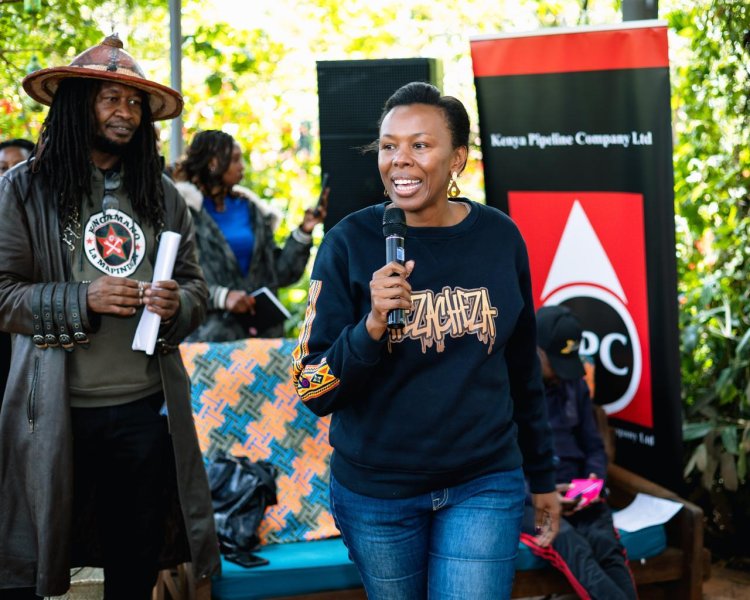
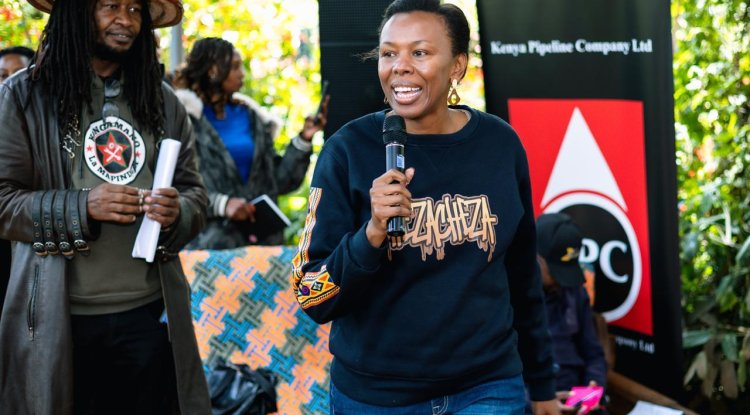
On Saturday, March 28, 2026, the serene terraces and lush organic spaces of Mlango Farm in Ngecha, Limuru, transformed into a vibrant hub of creative energy. Over fifty authors, visual artists, storytellers, poets, musicians, literary stakeholders, members of the diplomatic community, collectors, and patrons of the arts gathered for Sanaa @Mlango Farm with Kenya Pipeline Company (KPC), a multidisciplinary networking event organised by the KPC Foundation in collaboration with eKitabu and hosted at the iconic Mlango Farm.
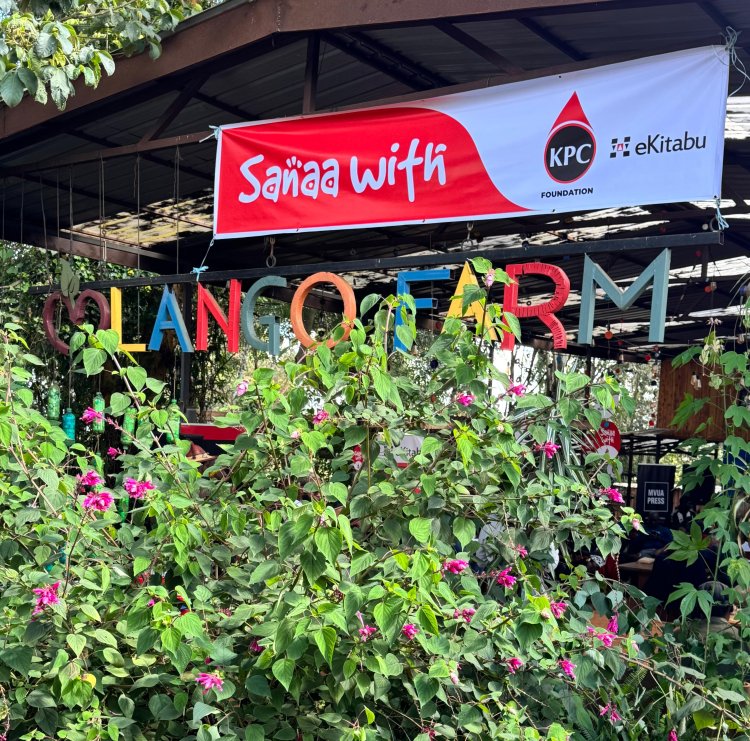
Far from a routine gathering, the Sanaa initiative was designed as a rich and engaging experience centered on dialogue, collaboration, and creative exchange. It spotlighted both the opportunities and challenges within Kenya’s creative sector while creating meaningful connections across cultural and professional communities. Artists who often create in solitude found themselves elbow-to-elbow with corporate leaders, diplomats, and patrons turning isolation into interconnection.
Mlango Farm provided the perfect backdrop. What began as neglected bush land in 2007 has blossomed into a thriving 20-acre educational organic oasis of sustainability, regeneration, and community building. Founded by Els Breet Kamande and her late husband, Kamande Njenga a respected local commander, the farm now employs dozens from the Ngecha community while growing diverse crops and nurturing the area’s deep artistic heritage. Ngecha, a renowned Gikuyu art village just a short drive from Nairobi, has long been home to painters, sculptors, and creators. The farm’s story of turning “bush into beauty” mirrored the event’s core message: Kenya’s creatives deserve the same deliberate nurturing and visibility.
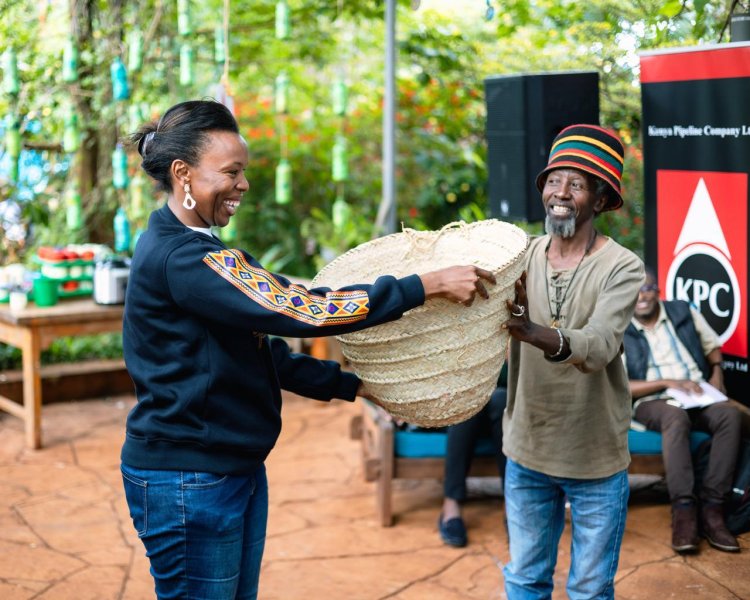
The heart of the day was brutally honest. Participants filled the metaphorical kikapu with the raw, systemic problems that have long fragmented Kenya’s creative sector. Artists and writers described a profound sense of isolation creating alone in studios or at desks, with limited peer networks, mentorship, or collaborative platforms. Market access remains one of the biggest barriers: reaching buyers, galleries, publishers, corporate clients, or even international platforms, often forcing reliance on informal, low-yield channels.
Limited Financial Resources - high cost of materials, editing, recording, or printing, combined with lack of collateral and financiers unfamiliar with the creative economy, leave most artists without capital to scale. Many operate in a largely informal sector with weak business structures, undocumented contracts, and limited access to formal loans, grants, or investment.
Capacity building emerged as a critical gap. Affordable, high-quality workshops, training programmes in entrepreneurship, digital marketing, contract negotiation, and professional development are few and far between. Many creatives lack the business acumen needed to turn talent into sustainable careers. There is also insufficient local infrastructure; dedicated studios, exhibition venues, distribution networks, and mentorship ecosystems that could help artists grow.
Piracy, copyright infringement, and weak royalty collection continue to drain potential revenue. Illegal downloads, counterfeiting, and poor enforcement mean artists rarely reap fair rewards even when their work gains traction. The rise of generative AI, ,adds fresh urgency: artworks can be easily copied, altered, or replaced, raising fears of job displacement, while cultural biases in AI training data and ambiguous intellectual property laws leave creators exposed.
Other persistent challenges include inequitable and unstable pay, long irregular working hours, gender-specific barriers (particularly for women balancing family responsibilities amid subtle discrimination or harassment), inadequate physical infrastructure, a cultural preference that sometimes favours imported or foreign content over local talent, and an education system that has historically under-prioritised the arts. Regulatory and bureaucratic hurdles further complicate livelihoods for many.
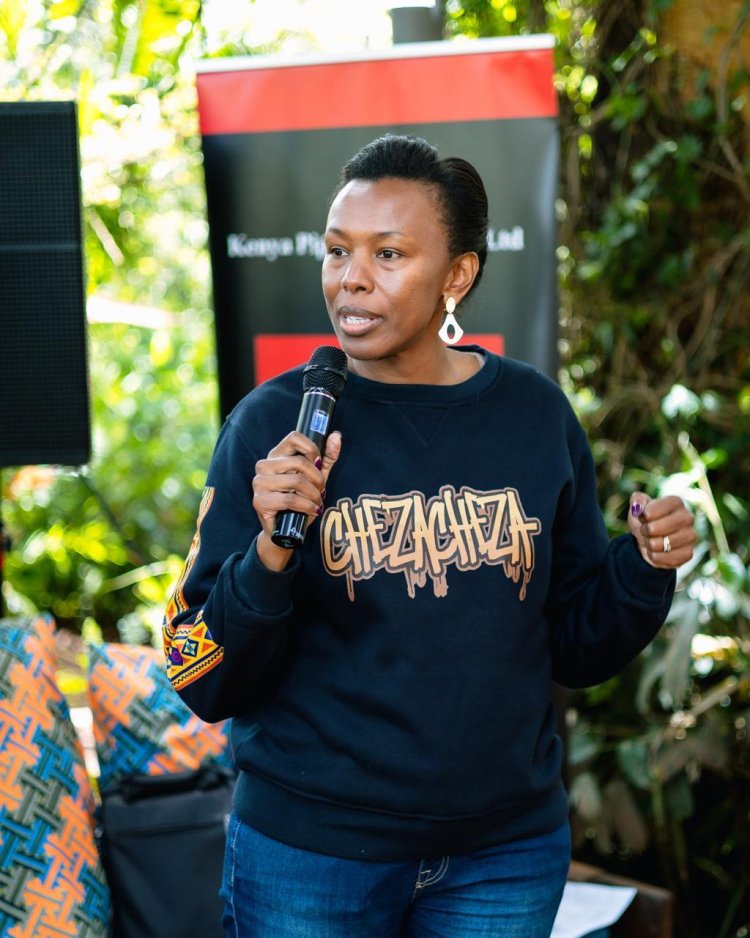
Rachel Gathoni, KPC Foundation’s Managing Trustee and Foundation Manager, captured the diagnosis with clarity. KPC had been searching for a niche industry to support through its CSR efforts and landed on the creatives because they have endured the longest isolation and fragmentation. “In the creative space, since you kind of create alone, there is isolation and fragmentation,” she explained. “Everyone is doing their thing and trying to access their market their way. Access to markets is a challenge. Platforms are a challenge. The financing for them to access these big platforms is also a challenge.”
She highlighted a deeper cultural issue: many Kenyans still prefer imported toys or AI-generated foreign art over locally created Kenyan works. “We need to push so that even as Kenyans, we can be the first consumers of our art, our books, so that we can keep this sector alive.”
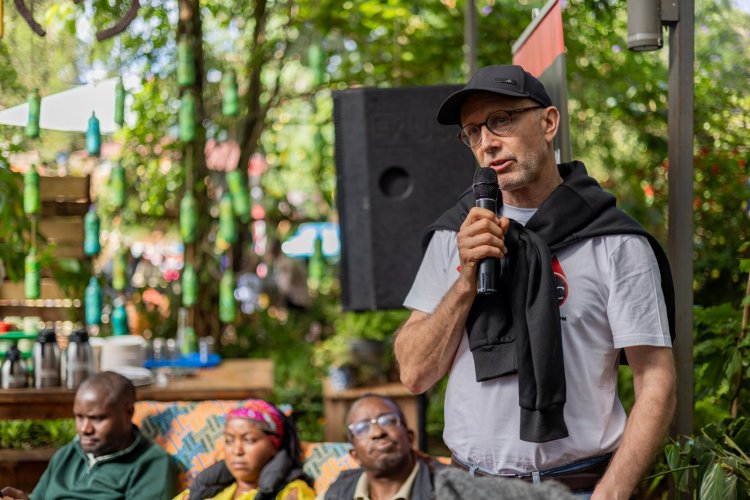
Will Clurman, CEO and Co-Founder of eKitabu (operating under the Mvua Press imprint), brought a no-nonsense publisher’s perspective. eKitabu has spent recent years championing Kenyan adult literature, amplifying voices such as bestselling author Empress Ciku Kimani Mwaniki, poet Scholastica Moraa, and the legendary 86-year-old literary figure David Maillu.
“We don’t want to do things that are just cosmetic,” Clurman stated firmly. “We want to do things that try to address the structural challenges that artists face.” His three unshakeable goals: author success, getting quality books to market, and redefining sales as “finding readers and getting the books into their hands.”
While eKitabu embraces digital tools including audiobooks and children’s programming on Akili Network Clurman emphasised the enduring power of the printed word: “If we focus on digital only, then we miss most of the readers that are out there. We honour the printed word… It’s on us to make the books affordable.”
The gathering confronted generative AI head-on. Gathoni offered balanced insight: technology cannot replicate the human soul in art. “Sometimes you want something because it is a human who has made it.” Yet she warned of the urgent need for stronger copyright policies, rights awareness, and protection against copying and alteration.
What makes Sanaa distinctive is its translation of dialogue into tangible steps. The KPC Foundation pledged dedicated physical spaces for artists and writers to showcase and sell work at all KPC-sponsored corporate events, turning sponsorships into living marketplaces. It will also host “open days” at KPC workspaces, enabling staff to interact directly with creatives and support them through purchases. Most importantly, the Foundation itself is committing to become an active consumer of Kenyan paintings, books, and performances in its offices, events, and initiatives.
Gathoni framed it simply: “Art itself is the employer.” The role of partners like KPC is to amplify, connect, and open doors so that every artist can sell their work, sustain themselves, and support their families.
For real transformation, harder questions must be asked. To the Ministry of Culture and Heritage and other government stakeholders: Where have the robust national policies, dedicated funding streams, effective copyright enforcement, integration of arts into education, and accessible capacity-building programmes such as affordable workshops and grants? Why has the creative sector despite its proven power to tell Kenya’s story, create jobs, and drive soft power often been left fragmented, informal, and starved of structured support?
To Kenyan corporates at large: Why do so many prioritise international CSR optics while the extraordinary talent on our doorstep remains under-supported, with so few offering grants, sponsorships, or market access opportunities to local creatives? KPC has demonstrated that strategic investment in creatives yields meaningful impact, when will others follow?
And to Kenya’s writers, artists, and storytellers a constructive voice of reason: The isolation, lack of capacity building, market barriers, and financial gaps are real, but so is the opportunity. Move beyond waiting for rescue. Professionalise relentlessly master contracts, royalties, digital marketing, entrepreneurship, and business skills. Build powerful collectives, co-ops, and cross-disciplinary alliances that turn individual brilliance into unstoppable industry strength. Seek and create affordable training opportunities, demand better local support systems, and protect your intellectual property with equal fire. Create with heart, yes — but market, network, and build sustainably with commitment. As Clurman echoed through David Mailu's lifelong dedication: “The only path worth taking is a path with heart. Heart takes work. It takes time. It takes commitment.”
Incubated on the fertile, artistic soil of Ngecha at Mlango Farm, Sanaa @Mlango Farm with KPC was never meant to be a one-day event. It marks the start of a sustained blueprint one where corporate muscle, publishing expertise, diplomatic engagement, and raw creative talent converge to confront isolation, fragmentation, and the many structural barriers head-on.
For the painter who has worked alone for forty years, the Gen Z digital poet finding their voice, and every storyteller in between: the platform is here. The question now shifts from whether Kenya’s creatives will be held up, to whether the rest of the nation government, corporates, institutions, and citizens will finally choose to lift with them through grants, capacity building, market access, and genuine local support.
The terraces at Mlango Farm remain green with promise. The brushes, pens, and voices are ready. Let Sanaa grow from this beautiful gathering into the movement that finally rewrites Kenya’s creative future with heart, with work, and with unapologetic pride in local genius.
BY OUNAH KHALAYI
What's Your Reaction?