Ministry of Energy and Petroleum Launches Construction of 114 Solar Mini-Grids in Underserved Counties
The Ministry of Energy and Petroleum has launched the construction of 114 solar-powered mini-grids under the Kenya Off-Grid Solar Access Project (KOSAP), targeting over 1.5 million people across 14 underserved counties. The initiative aims to expand electricity access, stimulate economic growth, create jobs, and improve public services through clean and sustainable energy solutions.
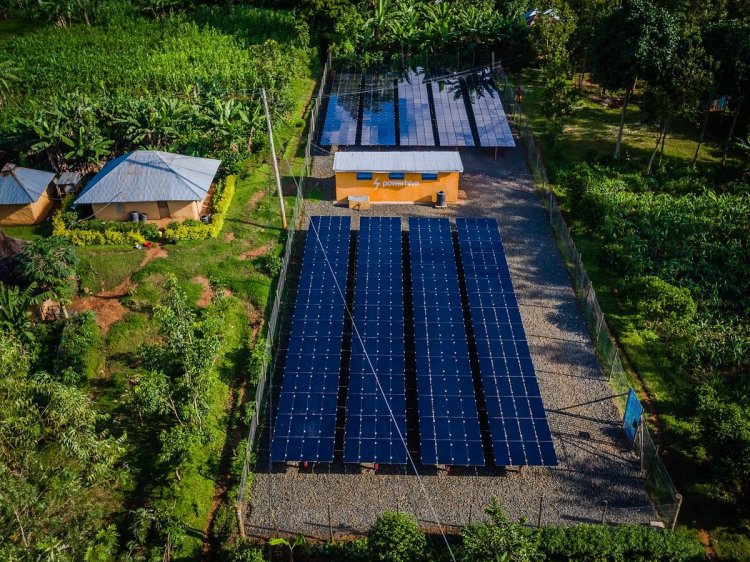
Ministry of Energy Launches Construction of Solar Mini-Grids in Underserved Counties
The Ministry of Energy and Petroleum has officially launched the construction of 114 solar-powered mini-grids aimed at expanding electricity access to underserved communities across 14 counties in Kenya.
The initiative, launched in Isiolo County under the Kenya Off-Grid Solar Access Project (KOSAP), is expected to benefit more than 1.5 million people while unlocking economic opportunities and improving essential public services in remote regions.
Speaking during the inaugural launch at the Kipsing Mini-Grid in Isiolo County, Principal Secretary for Energy, Mr. Alex Wachira, said the project reflects the Government’s commitment to achieving universal electricity access by 2030.
“Electricity brings growth, progress, and brighter futures. We are proud to be part of a government that deliberately enhances access to reliable energy that positively impacts communities,” said Mr. Wachira.
He noted that the mini-grid initiative demonstrates the Government’s determination to ensure no Kenyan is left behind in the country’s development agenda.
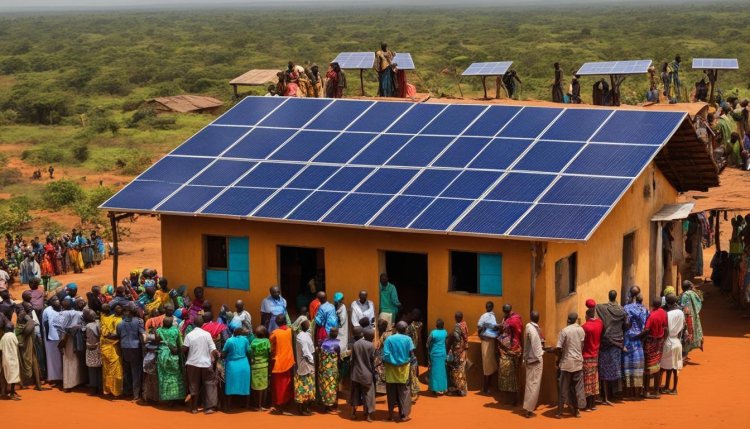
Transforming Lives Through Clean Energy
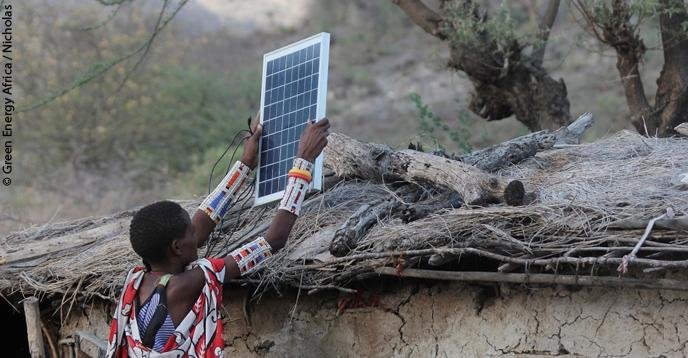
The solar-powered mini-grids will utilise modern solar photovoltaic (PV) technology paired with battery storage systems to provide reliable electricity to households, schools, healthcare facilities, businesses, administrative centres, and community institutions.
The project is expected to:
- Provide reliable electricity access to over 1.5 million people
- Create approximately 848,200 new jobs
- Stimulate 24-hour economic activity in trading centres
- Improve healthcare and education services
- Enhance access to clean water through solar-powered boreholes
The initiative specifically targets underserved regions in:
- Garissa
- Isiolo
- Kilifi
- Kwale
- Lamu
- Mandera
- Marsabit
- Narok
- Samburu
- Taita Taveta
- Tana River
- Turkana
- Wajir
- West Pokot
Supporting Kenya’s Universal Electrification Goals
Under the Kenya National Electrification Strategy (KNES), off-grid solar power has been identified as the most cost-effective and sustainable solution for electrifying remote Arid and Semi-Arid Lands (ASALs) and sparsely populated coastal regions.
The Government noted that conventional national grid expansion remains technically and economically difficult in many of these areas, making renewable energy mini-grids a practical alternative for accelerating universal access to electricity.
KES 9.4 Billion Investment
The project is funded by the World Bank at a cost of approximately US$150 million and is jointly implemented by:
- Ministry of Energy and Petroleum
- Kenya Power and Lighting Company
- Rural and Renewable Energy Corporation
The construction of the mini-grids will cost approximately KES 9.4 billion.
Under the implementation plan:
- REREC will construct 31 mini-grids in Isiolo, Turkana, Marsabit, and Samburu counties.
- KPLC will oversee 89 mini-grids across Mandera, Wajir, Garissa, Isiolo, Kilifi, Kwale, Lamu, and Narok counties.
Isiolo County to Benefit from Five Mini-Grids
Isiolo County has been earmarked for five mini-grid projects valued at approximately KES 433.2 million.
The projects will be located in:
- Kipsing
- Eras Ha Boru
- Garfasa
- Bassa
- Malkadaka
The Kipsing Mini-Grid alone is expected to provide electricity to approximately 327 households and several institutions, including Kipsing Primary School, Kipsing Dispensary, businesses, and places of worship.
Community Partnership and Social Development
The Government emphasized the important role local communities have played in supporting the project by providing land through collaboration with the National Land Commission.
In addition to electricity access, the project will support complementary community development initiatives, including:
- Upgrading health facilities
- Construction of classrooms
- Rehabilitation of boreholes
- Expansion of clean water access
Additional KOSAP Components
Beyond mini-grid construction, the Kenya Off-Grid Solar Access Project will also focus on:
- Distribution of 282,611 stand-alone solar home systems
- Promotion of clean cooking solutions
- Installation of solar systems in 343 public facilities
- Installation of solar-powered water pumps for 316 community boreholes
The initiative aims to improve livelihoods, accelerate economic inclusion, and support sustainable development in marginalized regions across Kenya.
What's Your Reaction?