Kenyan Youth, NCCK Call for Greater Digital Access and Inclusive Governance to Empower Young Innovators
Kenyan youth and civic leaders have called for greater youth inclusion in governance, affordable digital access, stronger support for innovation and sustainable enterprises. The 4th National Youth Convening, held at Ufungamano House in Nairobi from September 21–25, 2026, highlighted barriers including high internet and device costs, limited digital skills, unreliable power, financial constraints and complex regulations. Delegates also urged responsible technology use, stronger digital literacy, data protection and action against misinformation and disinformation.
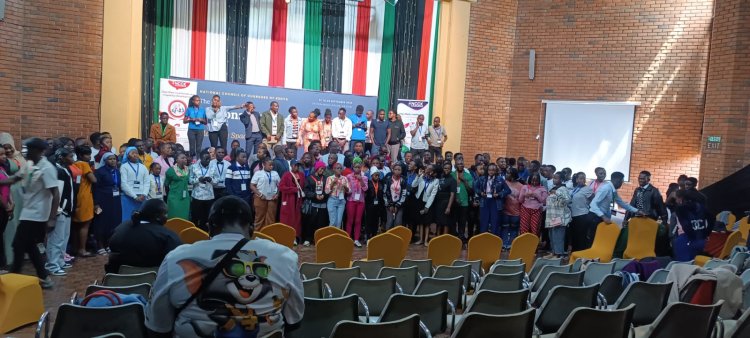
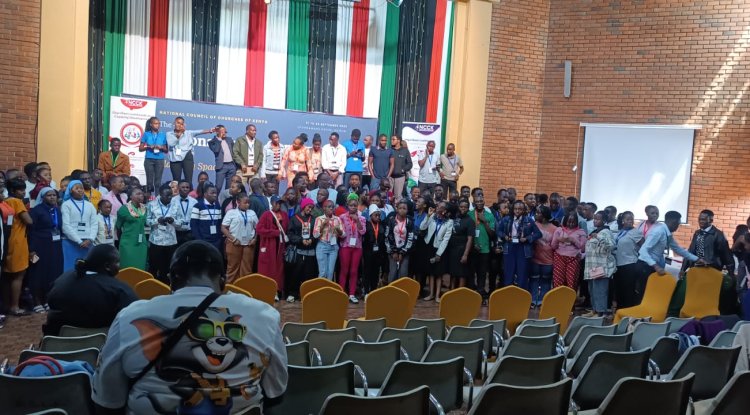
NAIROBI, KENYA — More than 250 young people from across Kenya have called for greater youth inclusion in governance, affordable access to digital technology and stronger support for sustainable enterprises as key drivers of the country’s socio-economic development.
The call was made during the 4th National Youth Convening, held at Ufungamano House in Nairobi from September 21 to 25, 2026, under the theme “Claiming Spaces and Shaping Kenya.”
The five-day convening brought together youth delegates, civic leaders and other stakeholders to deliberate on governance, innovation, livelihoods and digital technology, culminating in the signing and release of a joint communiqué outlining priority areas for youth empowerment and participation in national development.
Participants urged government institutions and other stakeholders to move beyond viewing young people primarily as beneficiaries of development programmes or electoral voters. Instead, they called for meaningful and structured youth participation in policy formulation, public participation, decision-making and oversight at both grassroots and national levels.
Speaking during the closing ceremony, National Council of Churches of Kenya (NCCK) General Secretary Rev. Canon Chris Kinyanjui emphasised the interconnectedness of governance, technology and innovation in creating opportunities for young people.
“Governance, technology, and innovation cannot be treated as separate issues. The quality of governance determines whether young people can access opportunities, participate meaningfully, and hold institutions accountable,” Kinyanjui said.
He noted that Kenyan youth are increasingly using digital platforms and artificial intelligence to reach new markets, improve business operations and develop innovative solutions to community challenges. However, he cautioned that structural barriers continue to limit the ability of young entrepreneurs to transform their ideas into sustainable businesses.
The NCCK General Secretary called on government agencies, the private sector and development partners to reduce the cost of digital infrastructure while expanding access to affordable financing for young entrepreneurs.
Addressing Barriers to Digital Inclusion
The communiqué identified several challenges affecting young innovators, including the high cost of digital devices and internet connectivity, unreliable electricity supply, limited digital skills and complex regulatory and licensing requirements.
Participants called for deliberate interventions to bridge Kenya’s digital divide and ensure that young people, particularly those in underserved communities, can access the technology, skills and infrastructure required to participate meaningfully in the digital economy.
The delegates also advocated for a shift from informal and subsistence-level economic activities towards structured, sustainable enterprises supported by mentorship, business development services, intellectual property protection and accessible seed capital.
Such interventions, they argued, would enable young people to move beyond short-term survival activities and build enterprises capable of creating employment, generating wealth and contributing to local and national economic growth.
Youth Participation in Governance
Governance and civic participation emerged as another key priority during the convening.
The delegates maintained that young people should have a meaningful role in shaping policies and decisions that directly affect their lives. They called for stronger mechanisms for youth participation in public decision-making and oversight, particularly at the county and grassroots levels.
The discussions also placed emphasis on ethical civic engagement as Kenya prepares for future electoral cycles, with participants underscoring the importance of informed participation, accountability and responsible use of digital platforms.
Responsible Use of Digital Technology
The convening further highlighted the opportunities and risks associated with Kenya’s rapidly evolving digital environment.
Participants called for increased digital literacy and responsible technology adoption, alongside stronger measures to address misinformation, disinformation and data privacy violations.
With artificial intelligence and other emerging technologies increasingly influencing education, business, governance and communication, the delegates stressed the need to ensure that technological advancement is accompanied by ethical standards, digital rights awareness and adequate safeguards for users.
Beyond Innovation to Sustainable Livelihoods
The delegates also raised concerns about the economic and social pressures facing young people, including unemployment, financial insecurity and growing mental health challenges.
They called for holistic support systems and the creation of dignified livelihood opportunities that recognise the diverse needs and aspirations of Kenya’s youth.
The participants argued that empowering young people requires more than access to technology or financial resources. It also requires supportive institutions, mentorship, skills development and an enabling policy environment in which innovation can thrive.
The communiqué reaffirmed the commitment of Kenyan youth to working across generations and sectors to promote inclusive development and long-term socio-economic stability.
“Claiming spaces means more than occupying them. It means using them to create value, solve problems, and influence the future,” the communiqué stated.
The 4th National Youth Convening concluded with a renewed call for government, civil society, the private sector, development partners and young people themselves to work together in creating an environment where youth can participate, innovate, build sustainable enterprises and shape Kenya’s future.
What's Your Reaction?